
How to Win More Orders on Deliveroo Without Ads
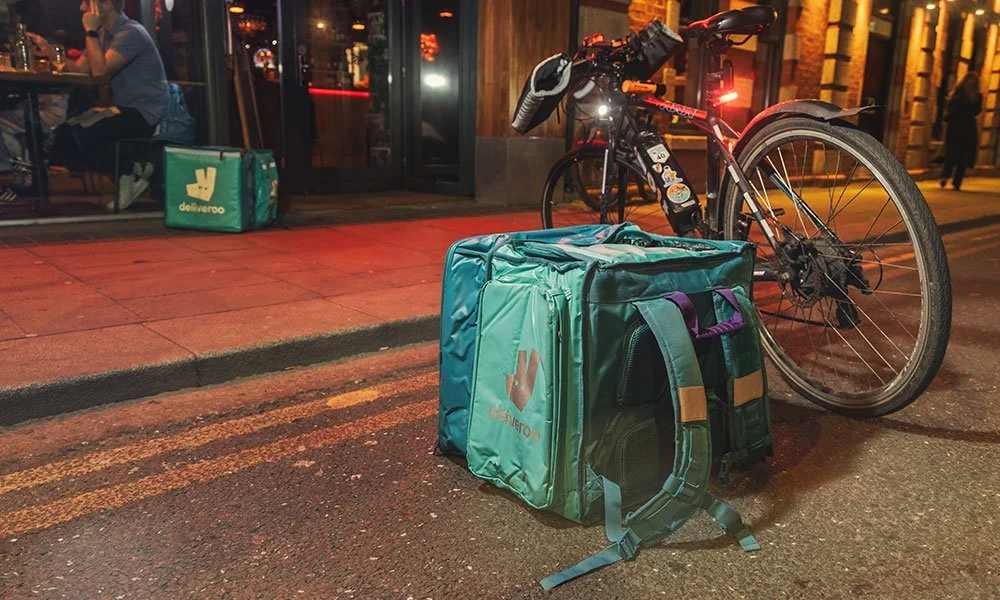
There’s a moment every busy kitchen knows.
It’s Friday night. Orders are flying in. A driver walks in, looks around, asks for an order that isn’t ready. Two minutes later, another driver shows up early. Now tickets are stacking, staff are shouting, and someone says the words every operator hates:
“Put it on busy mode.” Or even worse, they pause ordering.
That decision alone can cost you thousands.
Not because demand isn’t there. But because your kitchen can’t keep up with it.
The Problem Isn’t Demand. It’s Execution.
Most operators think growth on Deliveroo comes down to ads.
Pay for better placement. Run promos. Discount your way up the rankings.
That works - until it doesn’t.
Because Deliveroo isn’t just a marketplace. It’s a performance engine.
And it quietly rewards one thing above everything else: consistency.
If your kitchen consistently hits prep times, avoids cancellations, and hands food over when drivers arrive, you get rewarded. Your ranking improves. Your visibility increases. Orders go up.
If you don’t, you get buried.
It’s that simple.
What’s Actually Happening Inside Your Kitchen
Here’s what most high-volume delivery kitchens look like during peak:
Orders come in from multiple channels - Deliveroo, Uber Eats, Just Eat, your own site
Tickets are printed or displayed in basic order sequence
Staff work through them as fast as they can
Drivers arrive based on estimated prep times that don’t reflect reality
There’s no coordination. No system. Just effort.
So what happens?
Orders aren’t ready when drivers arrive → food sits → quality drops
Orders are ready too early → food goes cold → refunds happen
Prep times get extended → Deliveroo pushes you down the rankings
You switch on busy mode → customers go elsewhere
And the worst part?
Your rating starts to slip.
Dip below 4.4, and your order volume can drop overnight. Stay above it, and you can see a 10–15% lift in orders without spending a cent on ads.
Same kitchen. Same menu. Same location.
Different outcome - purely based on execution.
Why the Usual Fixes Don’t Work
Most operators try to fix this with more of something:
More staff.
More screens.
More shouting.
Or they upgrade to a basic kitchen display system and expect it to solve the problem.
But here’s the reality:
Most KDS setups are just digital ticket printers. They show you orders. They don’t manage them.
They don’t account for:
Driver arrival times
Channel differences
Station workloads
Real-time kitchen capacity
So you end up with the same chaos - just on a screen instead of paper.
The system hasn’t changed. Only the format has.
The Wrong Way to Think About It
Operators often think:
“If we can cook faster, we’ll handle more orders.”
That’s not how this works. Speed without coordination creates more problems, not fewer. You don’t win by moving faster. You win by moving at the right time.
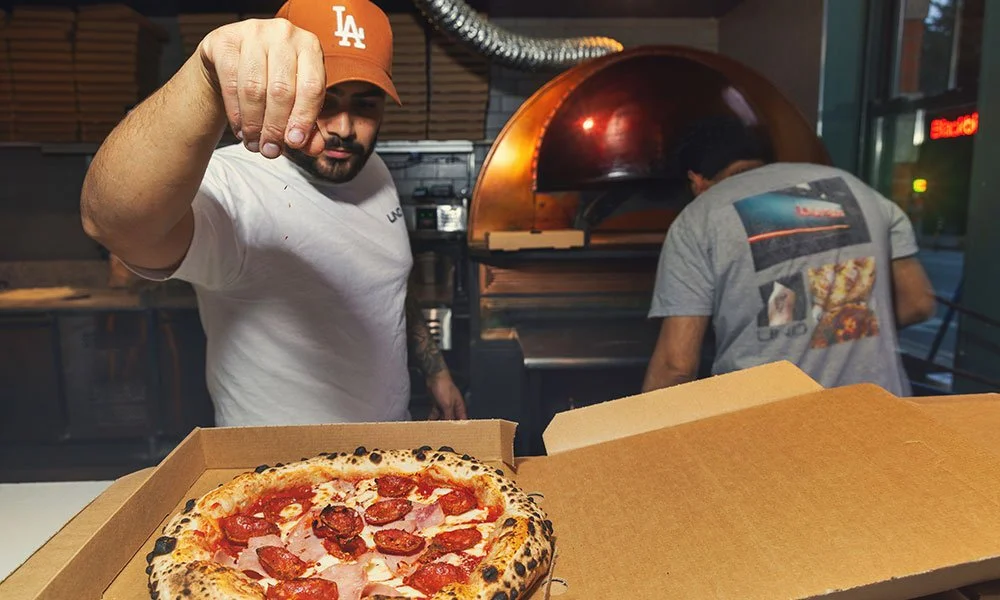
A Better Way to Think: Your Kitchen Is a Timing System
The kitchens that consistently win on Deliveroo don’t feel faster. They feel smoother.
Drivers arrive, and orders are ready. Food leaves hot.
Staff aren’t panicking - they’re in rhythm.
That’s not luck. That’s orchestration.
At a system level, what’s happening is simple:
Orders are prioritised based on when they should be cooked, not when they arrive
Prep is aligned with real driver ETAs
Work is balanced across stations instead of piling up in one place
The kitchen absorbs peaks instead of breaking under them
When that happens, everything changes:
Driver wait times drop
Food quality improves
Fewer refunds and remakes
Ratings go up
Deliveroo rewards you with more visibility
You don’t need ads if the system is working.
The platform does the distribution for you.
Why This Matters More Than Ever
Delivery platforms are getting smarter.
They’re not just listing restaurants anymore - they’re ranking them in real time.
And they’re doing it based on operational data:
How often you’re late
How often you cancel
How long drivers wait
How customers rate their experience
This means your kitchen is no longer just a production unit.
It’s a ranking engine.
Every order you process is feeding data back into the platform, deciding whether you get the next order or your competitor does.
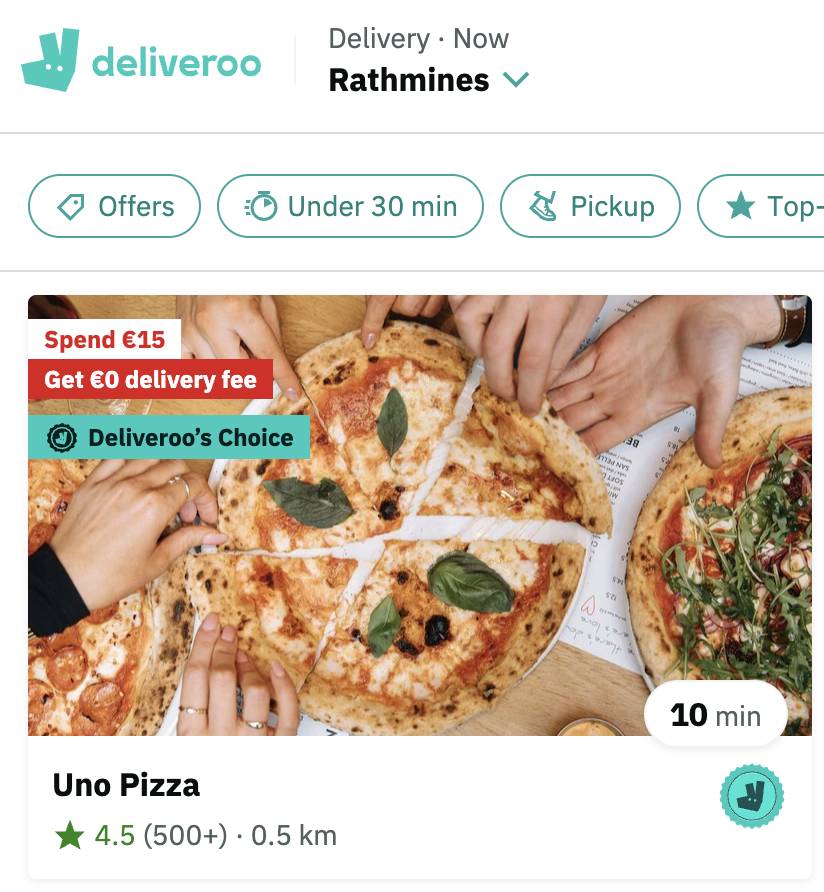
Ratings matter.
Dip below 4.4, and your order volume can drop overnight. Stay above it, and you can see a 10–15% lift in orders without spending a cent on ads.
Same kitchen. Same menu. Same location.
Different outcome - purely based on execution.
Where RocketBox Fits In
This is exactly the gap RocketBox was built to solve. Not another screen. A control layer.
Instead of just showing orders, RocketBox orchestrates them.
It looks at:
All incoming channels
Live kitchen capacity
Driver ETAs
Station workloads
And then decides what should be cooked, when, and where. The result isn’t just operational efficiency. It’s alignment.
Drivers arrive when food is ready. Food leaves when it should.
The kitchen runs predictably - even at peak.
And that predictability is what drives better ratings.
Which drives better rankings.
Which drives more orders.
The Real Lever Most Restaurants Ignore
Most restaurants are trying to buy growth. Fewer are earning it. But the platforms are very clear about what they reward. Not who spends the most. Who performs the best.
If you can consistently deliver hot food, on time, without friction, the algorithm works in your favour. If you can’t, no amount of ads will fix it.
The Shift
The question isn’t:
“How do we get more orders?”
It’s:
“Are we operationally good enough to get them?”
Because in today’s delivery economy, growth doesn’t come from the top of the funnel.
It comes from what happens after the order is placed.
Closing Thought
You don’t win on Deliveroo by shouting louder or spending more.
You win by running a kitchen that the platform can trust.
And trust, in this world, is measured in minutes.
