
What are the most common operational bottlenecks in restaurants?
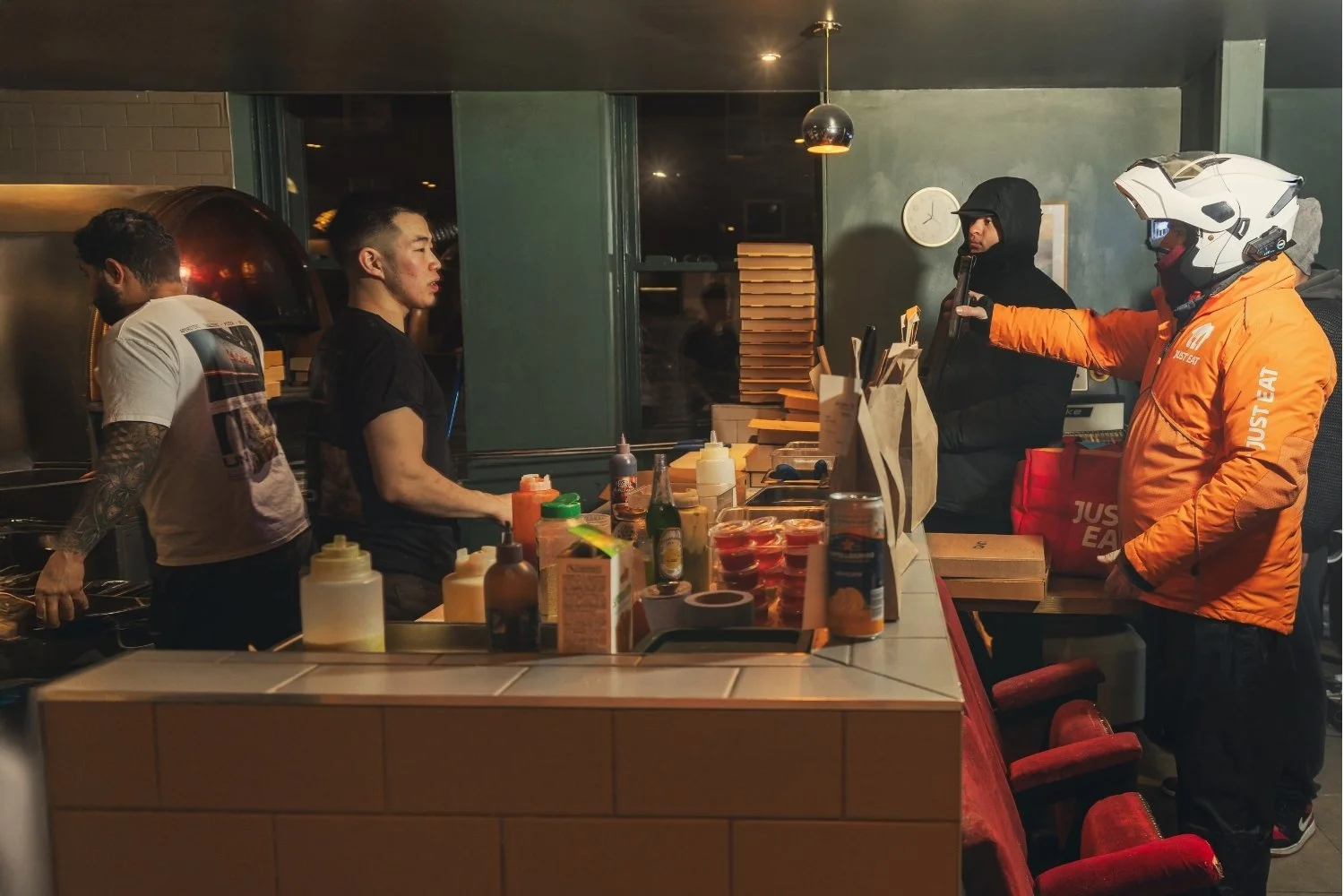
If you’ve ever stood in a kitchen at 7:30pm on a Friday, you already know what poor operations feel like.
Orders stacking. Drivers hovering. Staff shouting across stations. Food ready too early or too late. Someone asking what’s next, and nobody giving a clear answer.
That’s what broken restaurant efficiency looks like in the real world.
And here’s the uncomfortable truth.
Most restaurants don’t struggle because of food quality. They struggle because of operational bottlenecks they can’t fully see or control.
The issue isn’t effort. It’s coordination.
In a delivery-first world where orders arrive from multiple channels and drivers operate on platform timing, those bottlenecks are getting worse. Not better.
This article breaks down the most common bottlenecks inside modern restaurants, why they happen, and how operators are starting to fix them.
What restaurant efficiency actually means
Most people think restaurant efficiency is about speed.
It’s not.
It’s about flow.
You can cook fast and still be inefficient if orders leave late, drivers wait, or food sits on the pass getting cold. Speed without coordination just creates chaos faster.
The difference between speed and flow
In a high-performing kitchen, everything moves together.
The kitchen preps the order at the right time
The driver arrives at the right time
The order leaves at the right time
When those three things align, the operation feels smooth. When they don’t, everything starts to break.
This is why the biggest bottlenecks today are not about cooking. They’re about timing, visibility, and control.
1. Orders arrive faster than they can be prepared
Delivery demand doesn’t come in a steady flow. It comes in spikes.
One minute it’s quiet. The next minute you’ve got ten orders across multiple platforms.
Most kitchens still rely on FIFO. First in, first out.
That works when things are calm. It fails under pressure.
What actually happens in peak periods
During a rush, not all orders are equal. But the system treats them like they are.
Large orders block multiple stations
Simple orders get stuck behind complex ones
Prep times are ignored
Driver timing isn’t considered
The result is not just slower output. It's disorganised output.
According to McKinsey, the global online food delivery market has grown to more than $150 billion, having tripled since 2017. More demand means more pressure on kitchens that aren’t built to prioritise properly.
This is where restaurant efficiency starts to collapse. The kitchen reacts instead of controlling the flow.
2. Kitchen timing and driver timing are disconnected
This is where most restaurants quietly lose money.
Drivers don’t arrive based on your kitchen. They arrive based on platform estimates.
That creates two bad outcomes.
When drivers arrive too early
They wait
Staff feel pressure
Orders get rushed
Platform experience drops
When drivers arrive too late
Food sits
Quality drops
Customers complain
Refund risk increases
Platforms like Deliveroo and Uber Eats increasingly reward reliability and timing consistency. Restaurants that perform well get better visibility and more orders.
So this isn’t just about one delayed order. It directly impacts future demand.
This is one of the biggest hidden failures in restaurant efficiency.
3. Lack of real-time visibility across stations
Most kitchens operate in silos.
Grill focuses on meat
Pizza focuses on ovens
Expo tries to piece it all together
But no one has a clear, real-time view of the entire operation. Also, delivery platforms send drivers out of sequence and often to collect more than one order.
How this plays out during service
Communication becomes verbal.
Where’s order 52
Two minutes on fries
Waiting on chicken
That works at low volume. It breaks at scale.
One missing item can delay a full order. That delay then pushes back everything behind it.
The issue isn’t that staff aren’t working hard. It’s that they’re working without shared visibility.
And without visibility, coordination breaks down.
4. Multi-channel complexity overwhelms the kitchen
Modern restaurants are no longer dealing with one source of orders.
They’re dealing with many.
Typical order channels today
Deliveroo
Uber Eats
Just Eat
Direct online orders
Phone and walk-ins
Each of these channels behaves differently. Different prep expectations. Different customer expectations. Different timing.
Without proper coordination, the kitchen ends up juggling multiple systems at once.
Orders get missed
Prep timing becomes inconsistent
Staff get confused
Even when restaurants use aggregators, most tools stop at collecting orders. They don’t solve how those orders should be executed inside the kitchen.
That’s where restaurant efficiency breaks again.
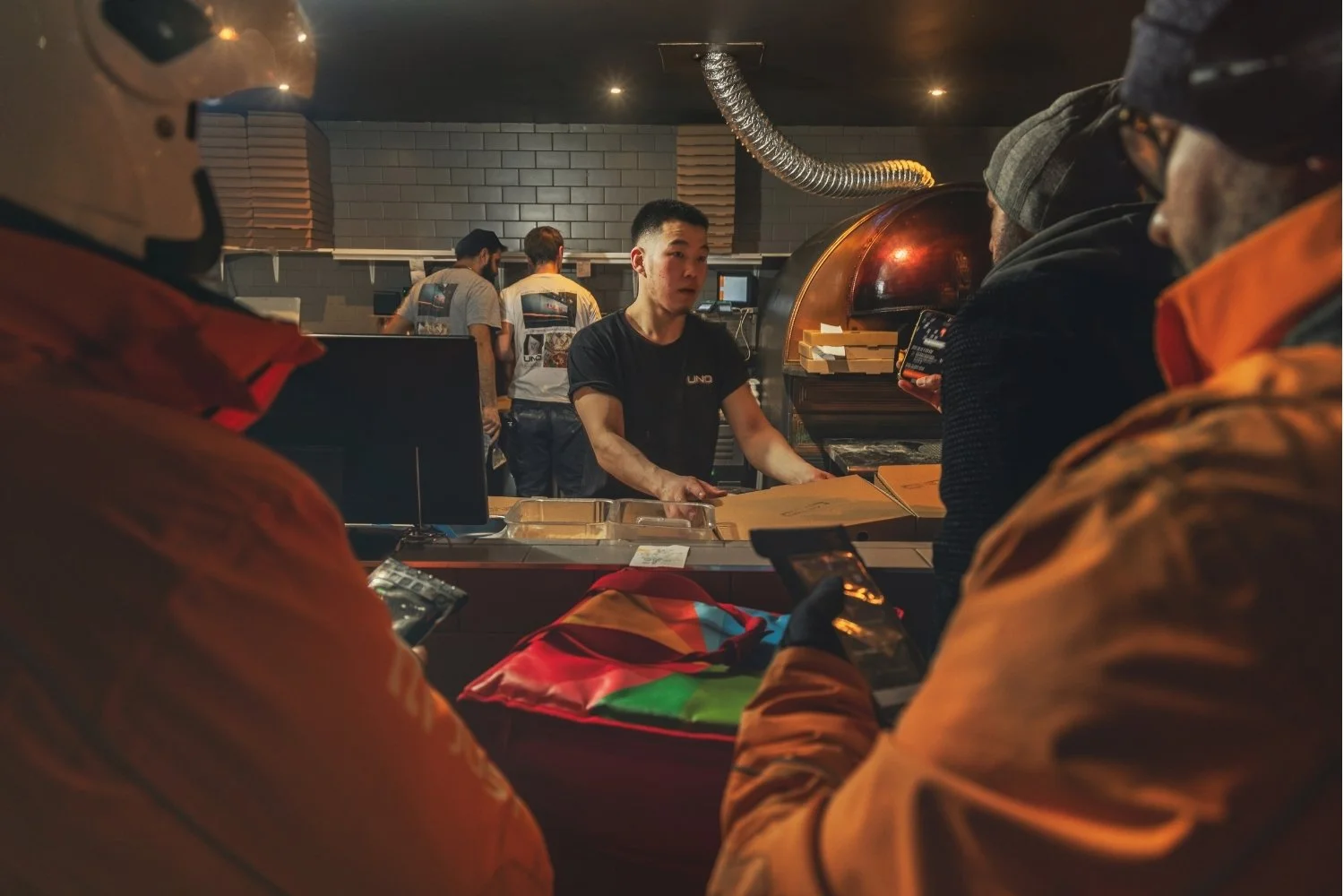
5. Peak-hour pressure destroys decision-making
The busiest hour of the day is when you make the most money.
It’s also when your operation is most fragile and you can lose a huge amount of potential revenue too.
Under pressure, teams simplify everything.
Cook what’s next
Move faster
Push harder
Or else they pause orders or operate in ‘busy mode’ which projects longer ETAs to customers and sends them to faster competitors. But the real issue isn’t speed. It’s prioritisation.
Why prioritisation matters under pressure
During peak hours, some orders matter more than others.
Orders with drivers arriving soon
Orders with longer prep times
Orders that tie up multiple stations
Orders that are batched together
Without a system to guide this, staff are forced to guess.
And guessing under pressure leads to mistakes.
Late orders
Wrong sequencing
Unbalanced workload
This is where many kitchens hit their ceiling. They physically cannot process more volume without breaking down.
6. No structured way to handle delays
No kitchen runs perfectly.
Things go wrong.
Items run out
Staff fall behind
Drivers don’t show
Orders get cancelled
The difference between a good kitchen and a great one is how these situations are handled.
The problem with reactive operations
Most kitchens deal with issues manually. Someone spots a delay. Someone calls it out. Someone tries to fix it.
This creates ripple effects.
Orders get reshuffled. Timings get thrown off. Staff lose confidence in the system.
Without real-time adjustment, small issues turn into large disruptions.
7. Rising errors and refunds
All of these bottlenecks lead to one outcome.
More mistakes. Missing items. Incorrect orders. Late deliveries.
Platforms have made refunds faster and easier. In many cases, customers don’t even contact the restaurant.
They just request a refund.
That means mistakes now have immediate financial consequences.
Lost revenue
Lower ratings
Reduced visibility
This is why improving restaurant efficiency is no longer optional. It directly impacts profitability.
Why traditional tools don’t fix these problems
Most restaurants already have systems.
POS
Basic KDS
Order aggregators
But these tools were built for a different era.
They display orders. They don’t optimise them.
Where traditional systems fall short
They don’t sync with driver timing. They don’t prioritise orders dynamically. They don’t manage multi-station complexity. They are static systems in a dynamic environment.
That’s why restaurants still feel the same pressure, even after investing in technology.
What next-generation restaurant efficiency looks like
The next phase of restaurant efficiency is not about adding more tools.
It’s about better coordination.
The shift from passive to active systems
Instead of reacting to orders, the system actively manages them.
Orders are prioritised based on real conditions
Timing is aligned with drivers
Stations are coordinated in real time
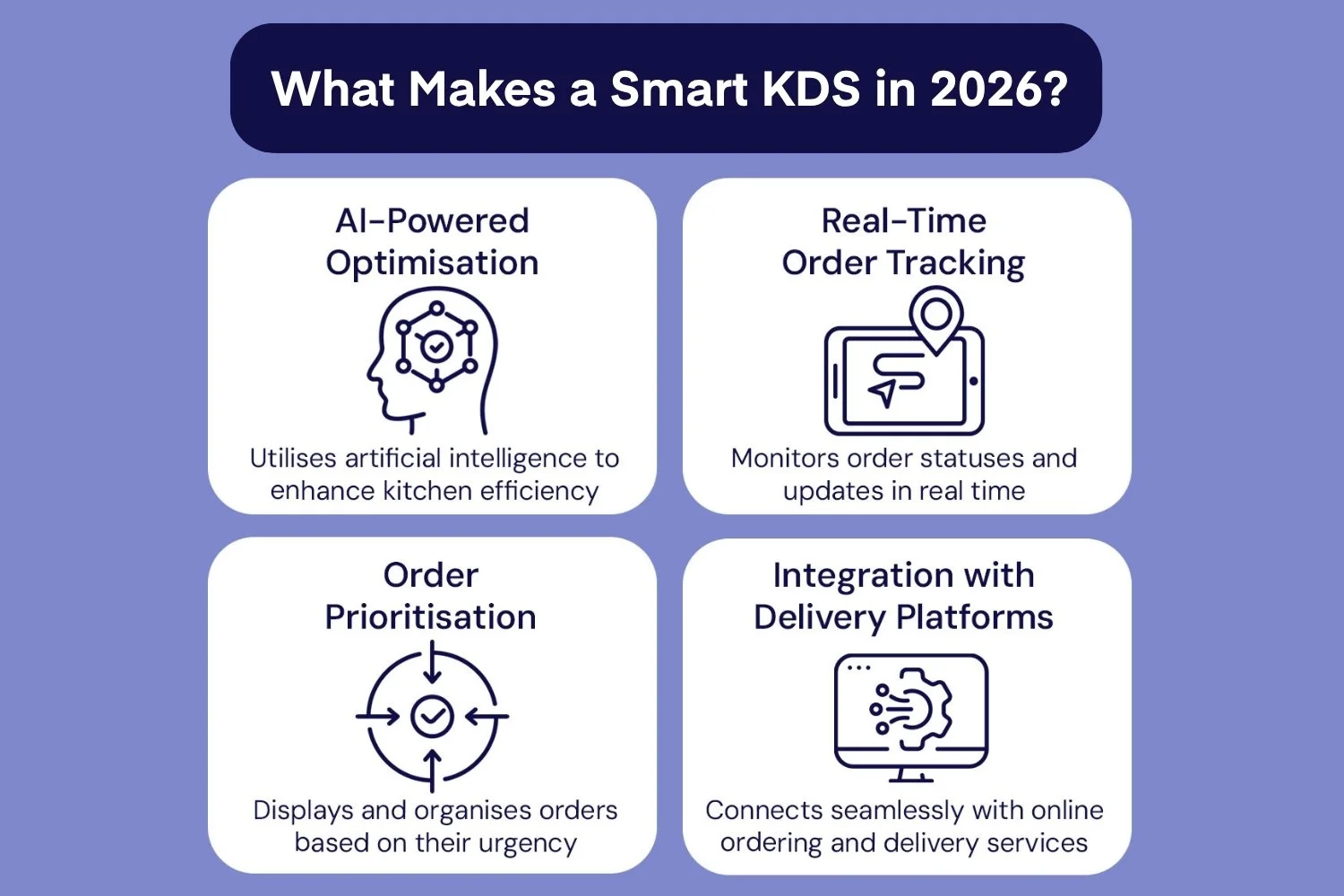
A modern kitchen management system doesn’t just show what needs to be done. It decides what should be done next.
That’s the difference.
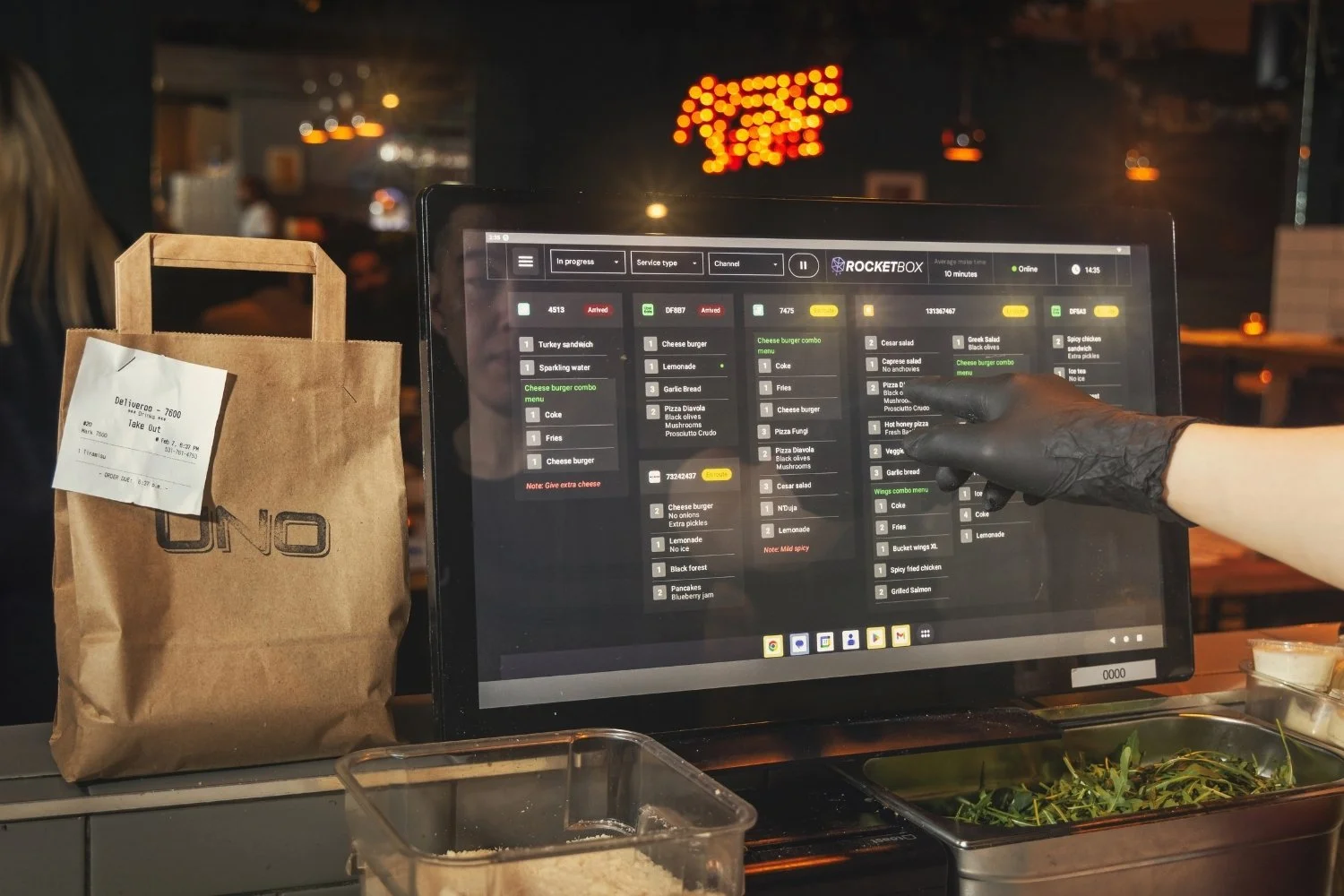
How RocketBox fits into this evolution
This is where RocketBox comes in.
Not as another screen, but as a control layer inside the kitchen.
What makes it different
RocketBox uses AI-powered order prioritisation to determine what should be cooked next based on real-world conditions.
It synchronises kitchen prep with driver arrivals, reducing wait times and preventing food from sitting.
It enables multi-station routing so each part of the kitchen knows exactly what to do and when.
Why this matters operationally
Instead of guessing, the system guides decisions. Instead of reacting, the kitchen stays in control. Instead of chaos, you get flow.
This is what modern restaurant efficiency looks like in practice.
The financial impact of fixing bottlenecks
This is where everything connects.
Better operations lead to better outcomes.
Higher throughput at peak
Fewer refunds
Better platform performance
More consistent service
According to the National Restaurant Association, U.S. restaurant and foodservice sales are projected to reach $1.55 trillion in 2026.
A growing share of that is delivery-driven.
That means the restaurants that execute best will capture more of that demand.
Efficiency is no longer just operational. It’s commercial.
The future of restaurant operations
The direction of travel is clear.
Platforms are becoming more algorithm-driven
Customer expectations are increasing
Operational complexity is rising
At the same time, labour is tighter and more expensive.
What this means for operators
You can’t solve these problems by adding more staff. You need better operating systems. Kitchens are becoming coordination environments, not just production environments.
Orders need to be managed like logistics. Timing needs to be controlled, not guessed. Decisions need to be supported by data.
The restaurants that adapt will scale. The ones that don’t will struggle under pressure.
Conclusion: restaurant efficiency is now a competitive advantage
Most restaurants already have the demand.
What they don’t have is the operational control to handle it properly.
The biggest bottlenecks are not always visible. They happen in the gaps between systems, in the moments where timing breaks down.
Fix those, and everything improves.
Flow becomes predictable
Errors decrease
No need for pausing orders
Revenue increases
Restaurant efficiency is no longer a nice-to-have. It’s the foundation of a successful delivery operation.
And as the industry continues to evolve, the restaurants that invest in smarter, more connected systems will be the ones that win.
FAQ Section
What are the biggest operational bottlenecks in restaurants?
The most common bottlenecks include poor order prioritisation, lack of kitchen-driver synchronisation, and limited visibility across stations.
How does a kitchen display system improve efficiency?
A kitchen display system improves communication and order tracking, reducing errors and helping staff manage workload more effectively.
Why is delivery making restaurant operations harder?
Delivery introduces external timing factors like driver arrivals and platform expectations, which increase complexity and pressure on the kitchen.
What is a kitchen management system?
A kitchen management system actively manages workflows, prioritises orders, and synchronises operations in real time.
How can restaurants reduce refunds and errors?
By improving coordination, visibility, and timing through better systems, restaurants can significantly reduce mistakes and delays.
How can restaurants better manage peak-hour demand?
Restaurants can manage peak demand by implementing dynamic order prioritisation systems that adjust in real time based on kitchen capacity, prep time, and driver ETAs, improving the kitchen operational flow without adding extra labour.
Are smaller restaurants affected by these bottlenecks too?
Yes, and often more severely. Smaller teams have less margin for error, so a single delay or miscommunication can disrupt the entire service. Without proper systems, even moderate increases in order volume can create disproportionate operational strain.
